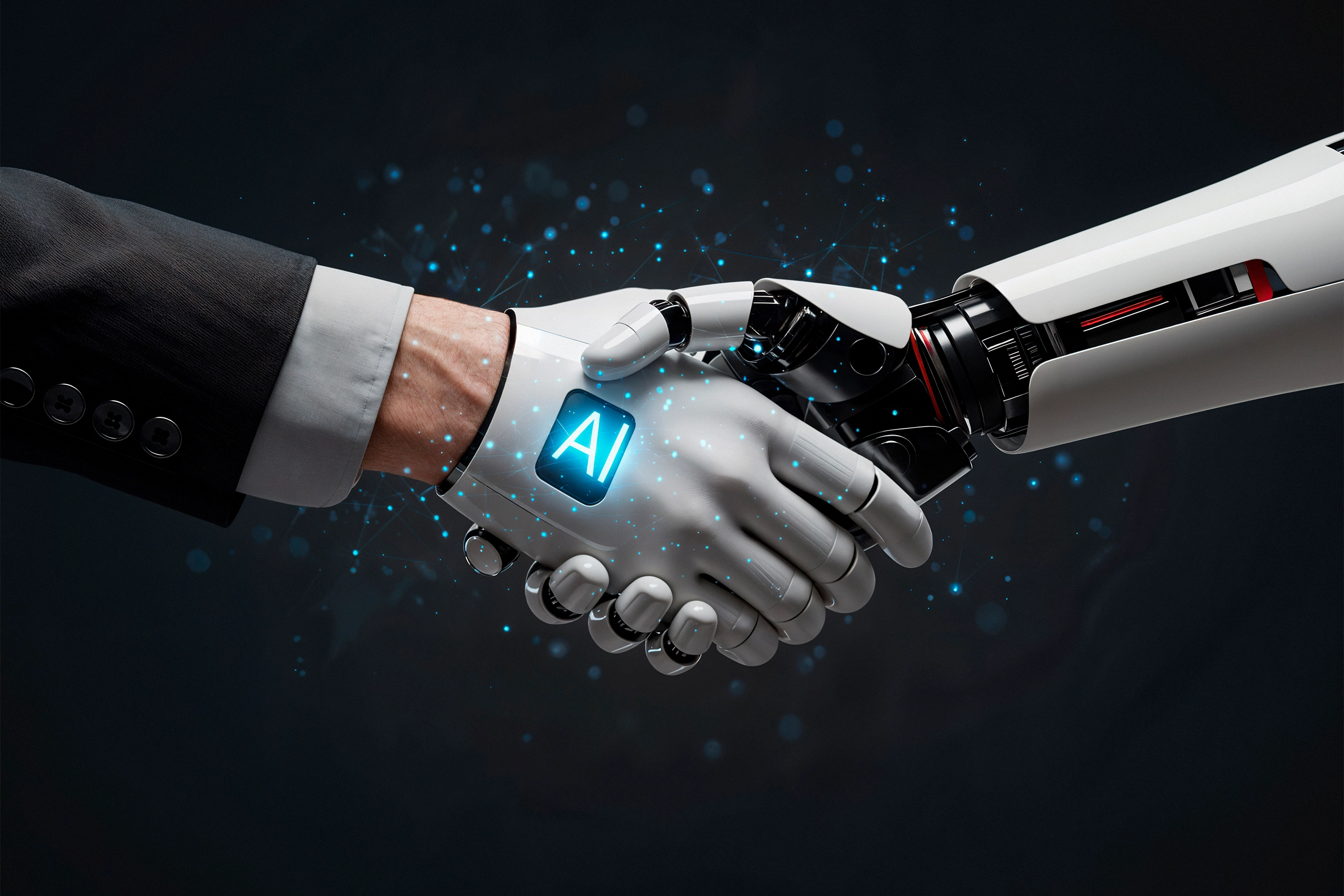

The sudden availability of AI-generated imagery has changed how brands approach visuals. What once required planning, production, and human presence can now be generated instantly. For many businesses, this feels like progress — faster content, lower costs, endless variations.
But trust is not built through aesthetics alone. Trust is built through consistency, context, and consequence.
Real brand imagery carries invisible signals. Imperfection. Continuity. Physical presence. The knowledge that what is being shown actually existed in front of a lens, at a moment in time. AI removes that reality layer — and audiences sense it, even if they can’t articulate why.

Brand trust is cumulative. It forms when visuals, messaging, tone, and experience align over time. AI-generated images are disconnected from real operations, real spaces, real people, and real outcomes. They show what could exist, not what does.
This becomes especially problematic for service-based brands, schools, real estate, and businesses where credibility depends on physical reality. When visuals feel synthetic, audiences question everything else — even if the product is legitimate.
AI imagery also struggles with consistency. Every prompt produces a new interpretation. Faces change. Environments shift. Details drift. Brands require repetition, not novelty. Recognition is built by seeing the same visual language again and again — something AI actively resists.

This does not mean AI images have no value. They are powerful for ideation, mood boards, internal concepts, and experimental visuals. The mistake is using them as substitutes for lived brand reality.
Strong brands do not rely on looking impressive. They rely on being recognizable and believable. AI can impress. It cannot be accountable.
Trust comes from knowing a brand stands behind what it shows. That accountability requires humans, environments, and decisions that exist outside prompts.
AI can create images.
Trust is created by presence.
Visuals show what a brand wants to be.
Reality proves what it actually is.