

The Egyptian Food and Beverage (F&B) sector has collectively fallen into a dangerous trap: relying entirely on Instagram and delivery aggregators to sustain their businesses.
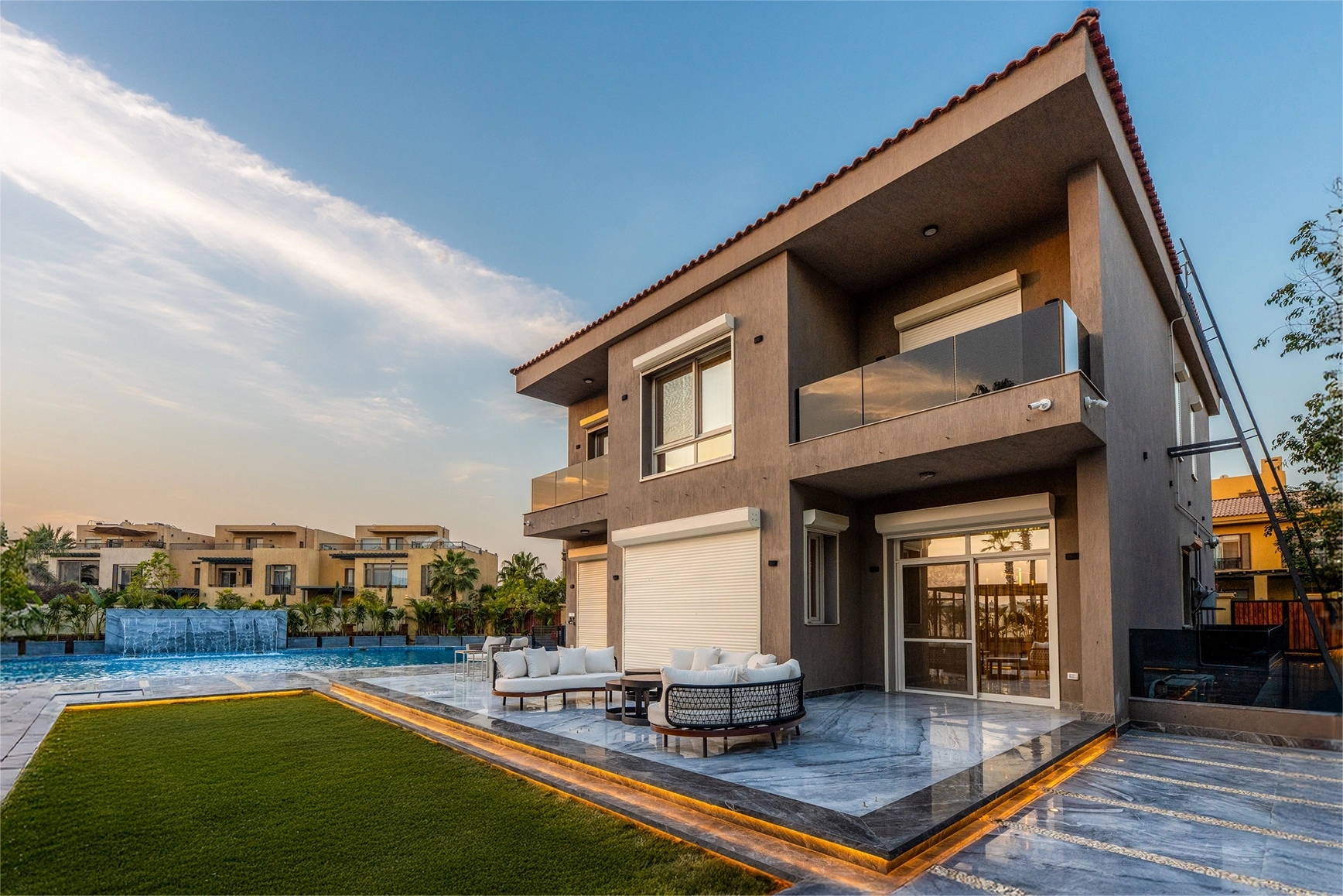
When you build your entire marketing strategy on a social media platform, you are essentially building a mansion on rented land. Mark Zuckerberg is your landlord, and he can raise the rent—or evict your reach—whenever he chooses. In 2026, organic reach for business accounts is virtually nonexistent. You are forced to pay a premium just to speak to the followers you already earned.
Escaping this trap requires a fundamental shift in how you view digital marketing. You have to stop renting attention and start owning your digital infrastructure.
The Illusion of Brand Control on Social Media
Instagram is a powerful discovery tool, but it is a terrible place to host a brand experience. Every restaurant on the platform is forced into the exact same grid layout, the exact same typography, and the exact same user interface. You cannot differentiate your brand when you are constrained by someone else's code.
I see this play out constantly when I consult with premium brands. A restaurant will spend months curating a unique physical interior—bespoke furniture, custom lighting, tailored acoustics—and then limit their digital presence to a generic Linktree and an Instagram grid.
I wrote about the dangers of this fragmented approach in Signs Your Cairo International School Needs a Visual Rebrand. In that piece, I highlighted the "Digital Overhaul" as a mandatory step for educational institutions looking to regain parent trust. If an elite school loses credibility because of a poorly controlled digital environment, a high-end restaurant loses its premium positioning for the exact same reason.
When you transition a user from an Instagram ad to a custom-coded, high-performance website, you instantly reclaim control. When I architect digital experiences for F&B clients—like the structural portfolio and visual direction pages I engineered for Redbird—I dictate the user journey. I control how fast the menu loads, how the photography scales on mobile, and exactly where the user’s eye travels.
Engineering the Digital Dining Experience
Owning your real estate means building a platform that actively works for your business. It is not just about having a static website; it is about engineering front-end architecture that converts hungry visitors into paying customers.
Consider the friction of the current Instagram model. A user sees a reel of your signature dish. They click your profile, hunt for a link, open a PDF menu that requires pinching and zooming to read, and then have to manually dial a phone number or switch to a delivery app that takes a 30% commission. Every single step in that process causes user drop-off.
Now consider a custom web experience.
When I build a platform for an F&B brand, I utilize tools like custom JavaScript and Swiper sliders to create interactive, frictionless menus. A user can swipe intuitively through high-resolution dishes. The UI is completely tailored to mobile usage. Most importantly, the ordering system is integrated directly into the site, bypassing third-party aggregator fees and keeping the customer data exactly where it belongs: in your hands.
As I explained in How Strategy Reduces Marketing Costs Over Time, investing in this kind of structural clarity upfront stops the financial bleeding later. When your website removes friction, your conversion rates skyrocket, meaning your customer acquisition cost drops significantly.
The Bilingual Baseline for Local Dominance
If you want to dominate the local Cairo market, your digital platform must speak the language of the consumer flawlessly.
Instagram translates UI elements, but it does not let you control the typographic hierarchy of your Arabic content. A truly premium F&B brand requires meticulous bilingual architecture. When a user in Egypt toggles a website from English (LTR) to Arabic (RTL), the layout cannot simply mirror itself blindly.
I spend hours ensuring that RTL logic is built deep into the CSS. The Arabic typography must maintain the same visual weight and sophistication as the English counterpart. The icons must flip contextually. The touch-swipe interactions must reverse directions so they feel natural to an Arabic reader.
This level of technical execution signals to the local market that you respect them enough not to treat Arabic as an afterthought. It builds a localized trust that a standard social media profile simply cannot achieve.
Capturing High-Intent Search Traffic
People use Instagram to browse, but they use Google to buy.
When a customer searches for "best artisan bakery in Sheikh Zayed" or "authentic modern Egyptian street food near me," Google does not prioritize Instagram posts. It prioritizes fast, well-structured, mobile-optimized websites with proper semantic HTML and local SEO markers.
By relying solely on social media, F&B brands are entirely ignoring high-intent search traffic. A structurally sound website acts as a magnet for these customers. When I code a platform, I ensure the underlying architecture tells search engines exactly what you serve, where you are located, and why you are the best option.
Conclusion: Build Your Own House
Social media is an incredible tool for top-of-funnel awareness. I am not suggesting you delete your restaurant's Instagram account.
I am suggesting you stop treating it as the final destination. Use Instagram as the highway, but make sure the highway leads to a house that you actually own.
Invest in custom front-end architecture. Control your visual identity. Own your customer data. In the hyper-competitive Egyptian F&B market, the brands that survive the next algorithm update will be the ones that don't rely on it.
Rent attention.
Own the experience.
Your code is your storefront.