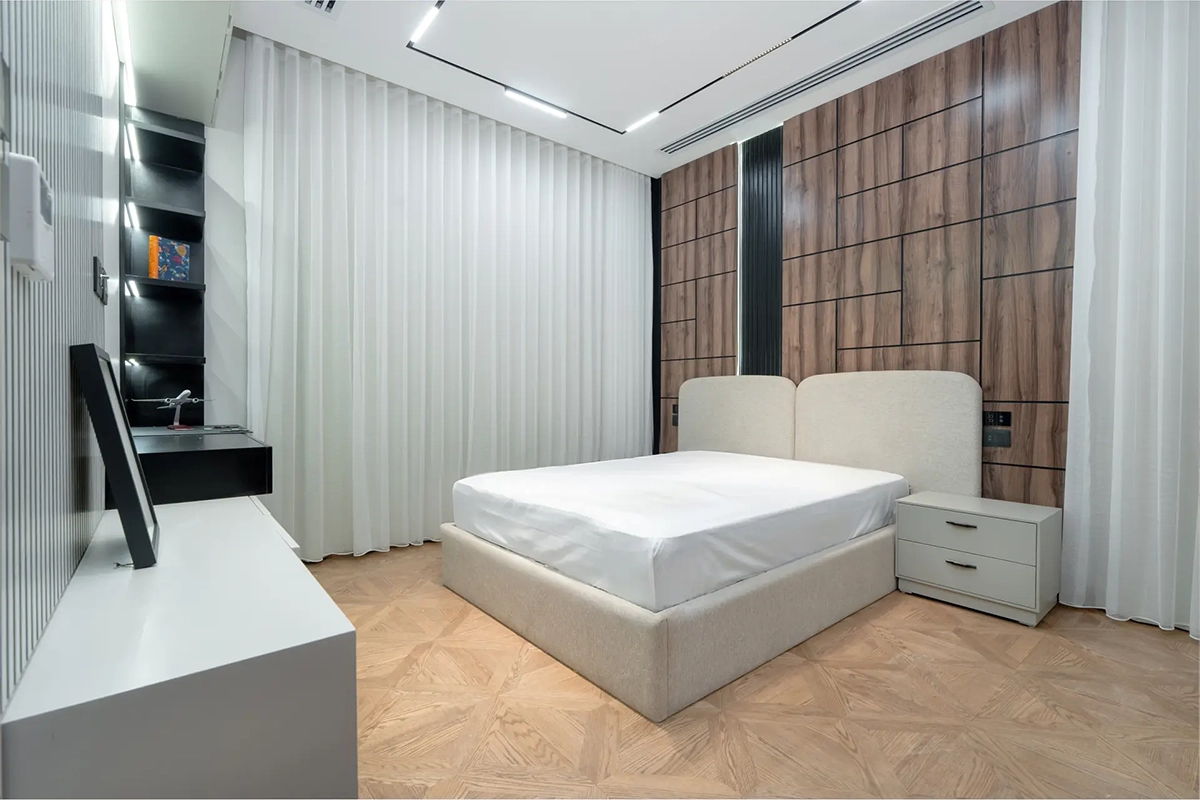



The Egyptian consumer landscape is undergoing a massive stratification. As new urban centers like New Cairo and the New Administrative Capital rise, a distinct class of "Global Egyptians" has emerged. These are individuals who travel frequently, shop in London and Dubai, and possess a highly refined visual palette.
Repositioning for this segment—the "Premium Migration"—is not a matter of simply raising your prices. It is a fundamental overhaul of your brand's architecture and its visual proof. As I noted in Why Professional Photography is the Most Underrated Investment, at the high end, photography is the primary driver of perceived value.
The Visual Shift: From 'Cluttered' to 'Curated'
The most immediate signal of a mass-market brand is "visual noise." Busy layouts, bright primary colors, and an over-reliance on promotional text. To migrate to the premium segment, you must embrace Visual Silence.
This involves using high-fidelity, large-scale imagery that allows the product or space to breathe. In The Psychology of Light in Egyptian Brand Photography, we discuss how "soft, directional light" creates an atmosphere of calm. For the high-end market, this light suggests that the brand is not in a hurry to sell—it is an invitation to experience.
Case Study 1: Real Estate (From Housing to Heritage)
Real-Life Example: SODIC & Emaar Misr
Early Egyptian real estate marketing focused on "number of rooms" and "brick-and-mortar" stability. However, as the market matured, leaders like SODIC and Emaar migrated their positioning. They stopped selling "apartments" and started selling "curated lifestyles."
Their photography shifted from wide-angle shots of empty buildings to lifestyle documentary photography. They began capturing the *feeling* of a morning walk in Marassi or the social prestige of a clubhouse in Allegria. By using the Geometry of Authority—framing architecture with perfect symmetry and vast negative space—they signaled that these were not just homes, but exclusive clubs.
Case Study 2: Fashion & Retail (From Local Craft to Global Luxury)
Real-Life Example: Okhtein
The Egyptian sister-duo brand Okhtein provides the ultimate blueprint for premium migration. They did not position themselves as a "local Egyptian leather brand." They positioned themselves as a global luxury house that happens to be Egyptian.
How? Through Editorial High-Fashion Photography. They moved away from simple product-on-white shots (catalog) to immersive, highly stylized narratives. They utilized lighting and casting that mirrored the visual language of Vogue or Harper’s Bazaar. This "Anti-Stock" strategy, which I advocate for in Visual Trust in the Digital Age, allowed them to justify price points that rival European luxury brands while building massive cultural capital.
Case Study 3: Hospitality (From All-Inclusive to Boutique Wellness)
Real-Life Example: Gouna Boutique Hotels (e.g., Casa Cook El Gouna)
The Red Sea hospitality market was traditionally dominated by "all-inclusive" mass-market resorts. Casa Cook repositioned the Gouna experience by stripping away the "resort tropes." No loud animations, no buffet-style photography, no over-saturated colors.
Instead, they used Earth-Toned Color Palettes and focused on "The Vibe" of the Red Sea lifestyle. As discussed in Visualizing the Lifestyle, they sold the *texture* of the environment—the tactile feel of the concrete, the weave of the linens, and the specific orange-blue contrast of the Gouna sunset. This repositioned them as a destination for the discerning traveler rather than the mass-market tourist.

The Technical Engine: Architecture-First Migration
Premium repositioning fails if the digital experience is "cheap." A high-end brand cannot exist on a slow, generic template. The Consistency of the Digital Architecture must match the quality of the photography.
For the Egyptian elite, time is the ultimate luxury. A website that is slow to load or has a cluttered UI signals a lack of respect for the user's time. Repositioning requires a "Clean Architecture" approach: minimal interactions, high-speed performance, and a layout that serves as a quiet gallery for the brand's assets.
The 3 Pillars of Premium Repositioning in Egypt
- The Price-Perception Gap: You must improve the visual assets *before* you raise the price. The market must see the value before they pay for it.
- The Human Factor: Move from generic models to Executive Presence. Show the architects, the chefs, or the founders. High-end buyers want to know who is behind the curtain.
- Cultural Localization: Avoid "International Generic." The Egyptian elite values their heritage. Use photography to capture "Modern Egypt"—the intersection of ancient history and futuristic ambition.
Conclusion: The Gate is Visual
Repositioning for the high-end Egyptian market is an exercise in restraint. It is about removing the "selling" and focusing on the "positioning."
When you invest in high-fidelity visual assets, consistent architectural design, and a narrative that focuses on "The Vibe" rather than the "Offer," you move your brand past the noise and into the inner circle of Egypt's most discerning consumers.
Mass brands talk.
Premium brands observe.
The migration starts with the lens.