

The Red Sea coast is one of the most highly contested real estate and hospitality markets in the region. Whether you are a property manager overseeing a portfolio of standalone villas in El Gouna, or a host managing a high-end duplex in Hurghada, your primary obstacle is not the competition.
Your primary obstacle is guest skepticism.
International tourists flying in from Europe, as well as affluent local weekenders escaping Cairo, have all been burned before. They have booked properties that looked massive in photos, only to arrive and find a cramped living room, a pool that is smaller than a bathtub, and a "sea view" that requires leaning out the window at a 45-degree angle.
This inherent skepticism creates booking friction. When guests are uncertain, they hesitate. They add your property to their "Wishlist" and keep scrolling.
To win the booking, you must eliminate the friction. The most powerful tool for dismantling guest anxiety and proving the exact value of your property is the interactive 360° virtual tour.
The Psychology of Remote Booking
To understand why virtual tours are so effective, we must look at how the modern consumer evaluates high-ticket digital purchases.
When a family is spending thousands of dollars on a two-week holiday rental, they are in a state of high risk-aversion. Traditional photography, even when done reasonably well, leaves informational gaps.
- "How close is the master bedroom to the children's room?"
- "Does the kitchen actually connect to the outdoor patio?"
- "Is there enough space around the pool for all six sunbeds?"
A standard photo gallery cannot answer spatial questions. In fact, because of the historical abuse of ultra-wide-angle lenses by real estate agents (making tiny rooms look like cavernous halls), modern guests actively distrust photos that feel "too wide."
A 360° virtual tour shifts the power dynamic. By giving the user the ability to "walk" through the property, look up at the ceilings, look down at the flooring, and understand the exact layout, you are offering total visual transparency. You are telling the guest: We have nothing to hide. The property is exactly as spectacular as we claim.
Transparency builds trust. Trust drives conversions.
How Virtual Tours Hack the Airbnb Algorithm
Beyond the psychological benefits, there is a hard, data-driven reason to invest in immersive media. It fundamentally alters how booking algorithms rank your property.
Platforms like Airbnb and Booking.com operate on algorithms designed to maximize their own revenue. They promote listings that are most likely to convert a browser into a buyer. One of the strongest signals these algorithms track is Dwell Time (how long a user stays on your listing page).
When a user clicks on a standard listing, they might swipe through 20 photos in 15 seconds.
When a listing includes an embedded virtual tour link or when the property’s dedicated direct-booking website features an interactive 360° walkthrough, the dwell time skyrockets. Users spend an average of two to three minutes actively exploring the space. They show it to their spouse. They zoom in on the kitchen amenities.
This massive increase in engagement time signals to the algorithm that your property is highly relevant and engaging, pushing it higher up in the search rankings for El Gouna or Hurghada.

The Synergy: Virtual Tours + Interior Photography
A common misconception is that a virtual tour replaces the need for standard photography. This is entirely false. They serve two different, highly complementary purposes.
Interior Photography provides the emotion.
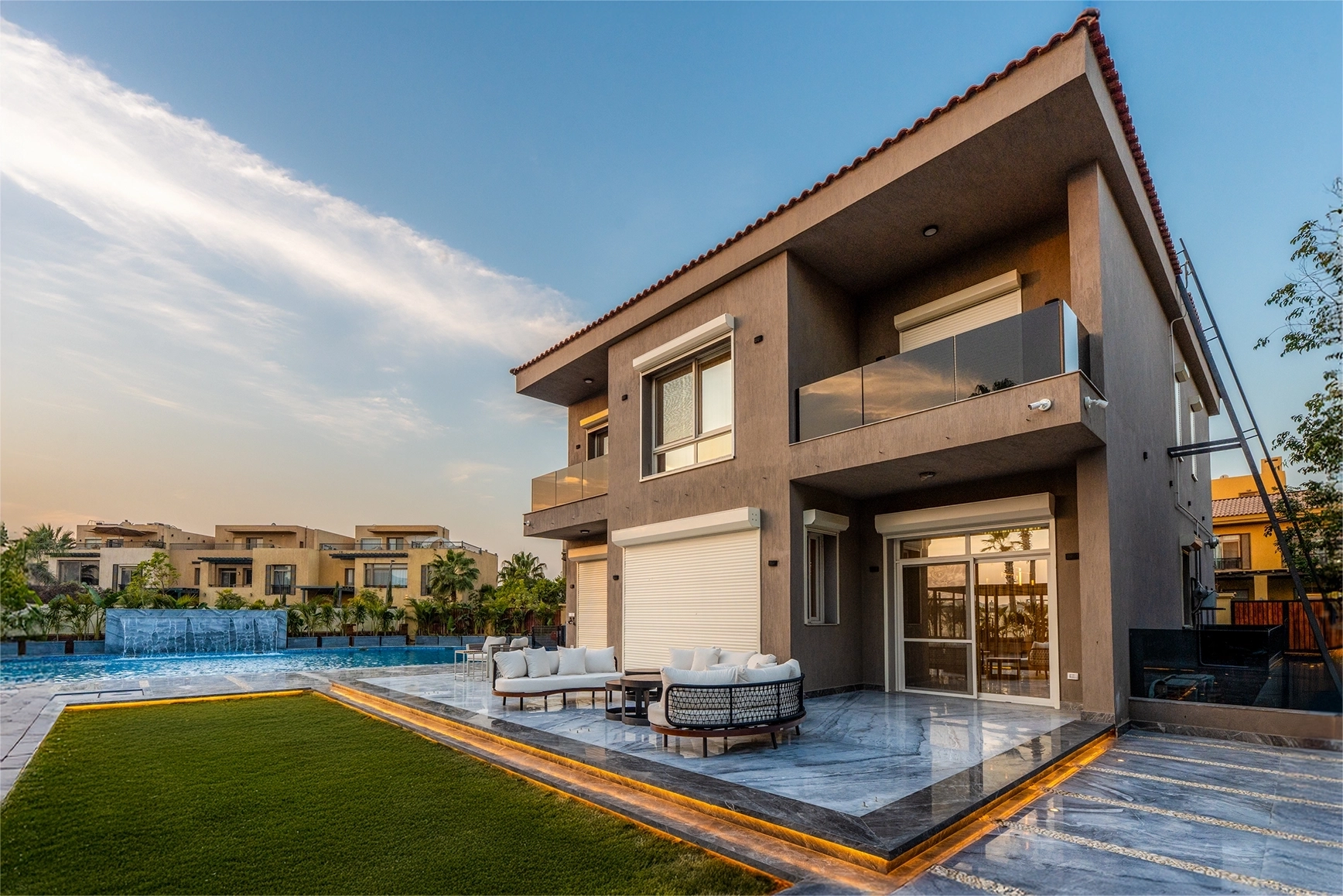
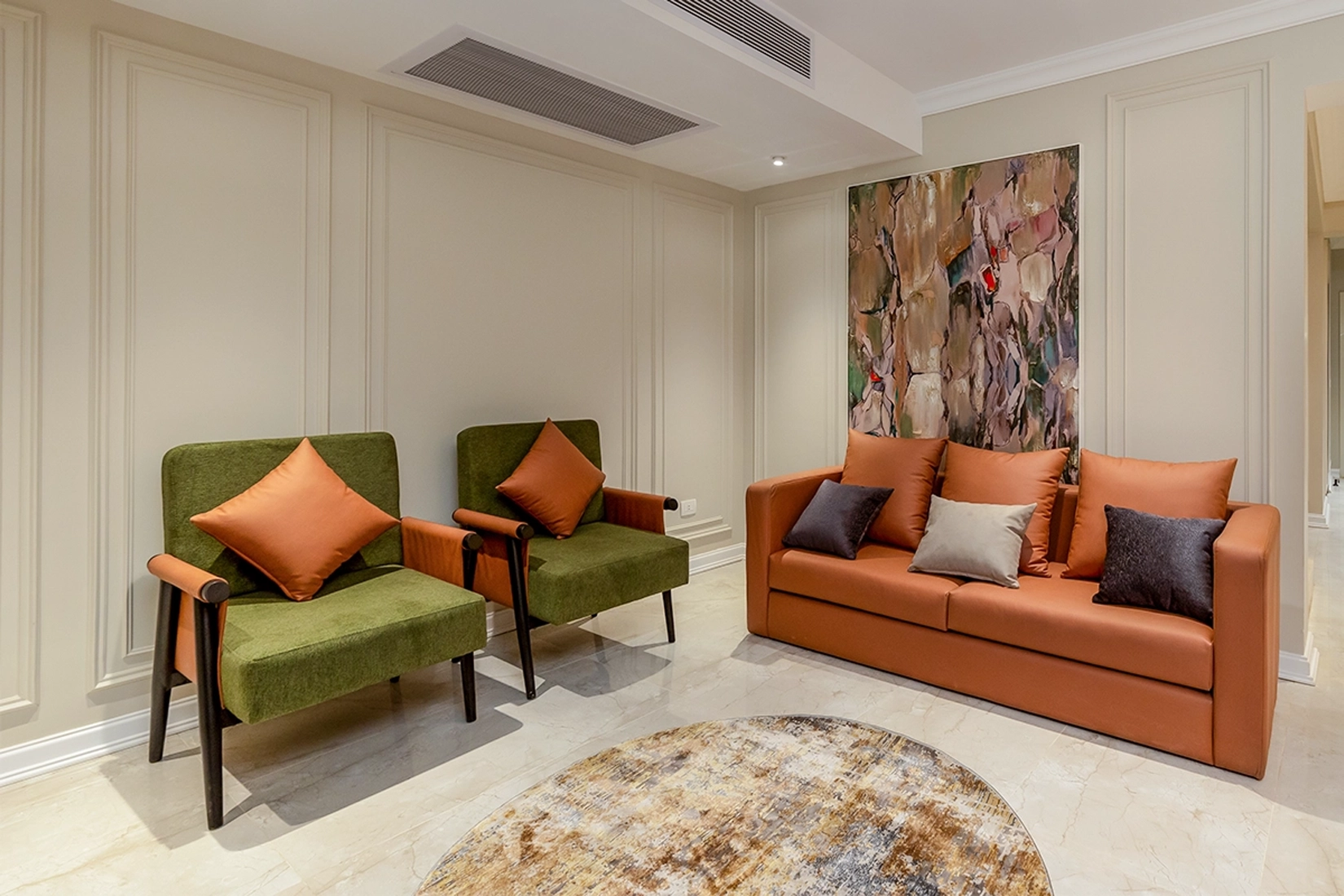
High-end, perfectly lit interior photography is your hook. It is the stunning hero image that makes someone stop scrolling. Professional interior shots control the lighting, highlight the premium textures of the furniture, and capture the specific "vibe" or mood of the property (e.g., a warm, romantic sunset hitting the pool deck).
The Virtual Tour provides the logic.
Once the photography has captured their emotional interest, the virtual tour steps in to satisfy their logical brain. It confirms the layout, the space, and the flow of the property.
If you only have photos, guests might doubt the layout. If you only have a virtual tour, you might lack that single, beautifully composed hero shot needed to grab their attention in a crowded search feed. You need both.
Presenting these assets seamlessly is crucial. Your property's website should ideally use high-performance, touch-friendly image sliders to display the photographic gallery, allowing users to tap into a distraction-free lightbox experience, and then seamlessly transition into the interactive 360° environment.
Technical Execution: Why Speed is Your Best Amenity
Having a virtual tour is only an advantage if it actually loads.
Many property managers make the mistake of hiring providers who use heavy, unoptimized, proprietary software that crashes mobile browsers. If a prospective guest sitting in a cafe in London tries to load your El Gouna villa tour on their iPhone, and it takes 15 seconds to render, they will abandon the page.
Technical implementation is just as important as the photography itself.
Modern virtual tours must be lightweight and hardware-accelerated. Utilizing platforms optimized for web delivery (such as Kuula) ensures that massive 360° panoramic files are delivered quickly and smoothly. The embeds must be fully responsive, scaling perfectly from a large desktop monitor down to a mobile screen without breaking the user interface.
Furthermore, integrating these tours into your direct-booking website should not drag down your overall page speed. By utilizing asynchronous loading techniques, the heavy interactive elements only load when the user specifically requests them, ensuring your core website remains lightning fast.
You can explore exactly how smooth and frictionless this experience should be in our virtual tours portfolio.

The Bilingual Advantage for Egyptian Real Estate
When marketing luxury real estate in the Red Sea, your audience is dual-faceted. You are targeting European expats and international tourists (who navigate the web in English) as well as the highly lucrative local Egyptian and Gulf markets (who often navigate the web in Arabic).
Your visual assets must be housed in an environment that respects both users.
This is a major technical oversight for many property websites. If your direct-booking site features a beautiful virtual tour, but the surrounding user interface breaks when the site is switched to Arabic (RTL - Right-to-Left alignment), the premium illusion shatters.
A truly optimized property listing ensures that image sliders, navigation icons, and the virtual tour interface itself mirror flawlessly whether the user is reading left-to-right or right-to-left. A seamless bilingual experience signals a high level of professionalism, reassuring international and regional guests alike that they are dealing with a top-tier management company.
Standing Out in Cairo's Saturated Market
While the Red Sea properties rely on virtual tours to sell the "resort" lifestyle, the same principles apply fiercely to the short-term rental market in Cairo (Zamalek, Maadi, New Cairo).
Cairo is a dense, fast-paced market. Business travelers and expats booking long-term stays want to know exactly what they are getting. Does the apartment *really* have a dedicated workspace? Is the kitchen actually fully equipped?
A 360° tour of a Zamalek apartment immediately elevates it above the hundreds of competing listings relying on smartphone snapshots of unmade beds. It transforms the listing from a "gamble" into a "guarantee."
Conclusion: The Ultimate Conversion Tool
In the digital age, seeing is no longer just believing—it is booking.
The cost of acquiring a guest is rising, and the competition in Egypt's premier destinations is fiercer than ever. You cannot afford to lose a high-value booking because a guest was unsure if the layout suited their family.
By integrating lightning-fast 360° virtual tours alongside premium interior photography, you dismantle doubt, justify your luxury pricing, and give your properties the ultimate competitive advantage.
Photography makes them fall in love with the property.
The virtual tour gives them the confidence to book it.
Do not make your guests guess.